
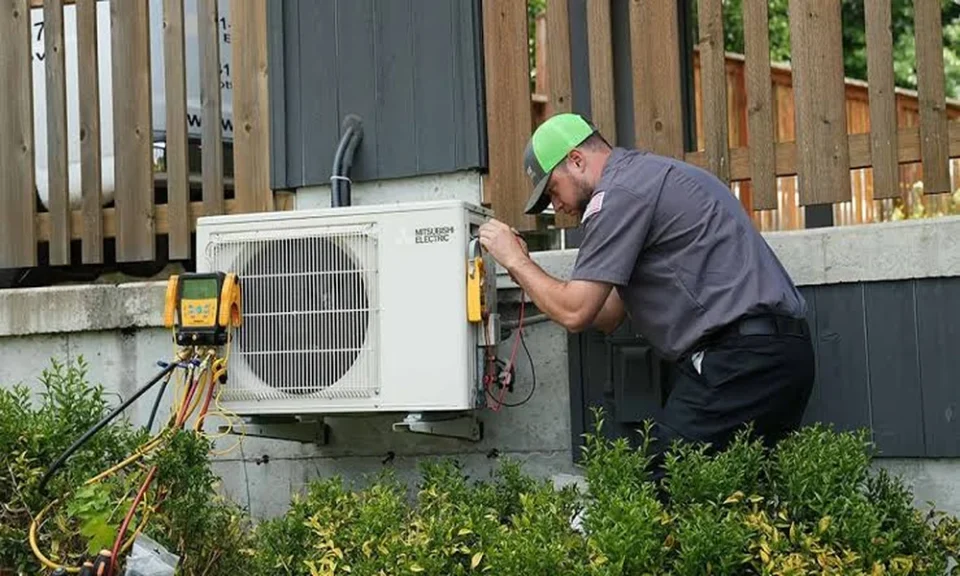
Snow is rarely what tests a furnace in Salem or McMinnville. The real test is five months of gray, wet air hovering somewhere between the mid thirties and the mid forties. The sun can vanish for a week at a time, and the thermostat almost never gets a day off. Heating systems in this part of Oregon seldom fail because of one brutal night. They wear down from constant, moderate demand in air that stays damp nearly every hour of the season.
Technicians at Integrity Mechanical see that slow wear up close. They work on heating, cooling and refrigeration equipment from their base in Dallas and travel out to Monmouth, Independence, Keizer, Woodburn, Silverton and the small towns in between. Their work runs from residential heat pumps and gas furnaces to rooftop units and industrial refrigeration, which shows how mixed the valley’s equipment really is. A century-old farmhouse near Amity and a newer build in south Salem can have almost nothing in common behind the walls. That’s why winter readiness looks a little different in every home.
Damp Cold Plays by Its Own Rules
Dry cold and wet cold stress equipment in different ways. When outdoor air sits near freezing with high humidity, moisture freezes onto a heat pump’s outdoor coil faster than it would in a drier climate. The unit responds by running a defrost cycle. It briefly reverses itself to melt the frost, which is why homeowners sometimes see a cloud of steam rising from the unit and assume something is burning. That steam is normal. A coil that stays caked in ice for hours is not.
Rain adds another layer. Bigleaf maple and oak leaves pile up against outdoor units, trapping water and blocking airflow. Gutters that overflow onto a condenser can freeze it solid during a cold snap. Even gas furnaces feel the damp, because their exhaust and intake pipes can collect condensation or get crowded by wet debris.
Getting to Know the System You Actually Have
Heat pumps and mini splits
Air source heat pumps have become the default choice in many valley homes. They move heat rather than create it, and the EPA’s overview of heat pumps explains why that makes them so efficient in mild climates like western Oregon’s. Most units also carry backup electric resistance heat, often called auxiliary or emergency heat. Deep thermostat setbacks can wake that backup heat up every morning and quietly double the electric bill.
Ductless mini splits need less attention, but their indoor heads have washable filters that clog faster than people expect. Rinsing them every few weeks during heavy use keeps warm air moving.
Gas furnaces
A furnace that lights, runs briefly and then shuts off often has a dirty flame sensor. A burning dust smell on the first cold morning is usually harmless and fades within an hour. A sharp, lingering odor, soot near the burners or a yellow flame instead of a crisp blue one deserves a professional look. Those signs can point to combustion trouble or a cracked heat exchanger.
Electric furnaces and radiator heat
Electric furnaces are simple, but their heating elements and sequencers wear out with age. If some rooms warm up and others stay cool, one stage may have stopped working. Homes with hot water radiators benefit from bleeding trapped air at the start of the season. Cold tops and warm bottoms on a radiator are the classic giveaway.
The Part of the House Nobody Visits
Many older homes in Polk, Marion and Yamhill counties run their ductwork through a crawlspace. Few homeowners ever crawl down there to check it. Ducts slip apart at the joints, insulation sags and rodents tear through flexible lines. Energy Star estimates that a typical duct system loses roughly 20 to 30 percent of the air moving through it, and a damp crawlspace can make that worse. Heated air pouring into a crawlspace warms nothing upstairs. It can also pull musty, humid air back into the living space.
If one bedroom is always colder than the rest of the house, the ducts are often to blame, not the furnace or heat pump.
A Twenty Minute Walkaround Worth Doing This Month
Before the heavy rain sets in, a quick look around the house catches most of the easy problems.
- Change or wash the air filter and write the date on the frame.
- Clear leaves and branches from at least two feet around the outdoor unit.
- Make sure the unit sits level and slightly raised, so water drains away instead of pooling.
- Test every carbon monoxide alarm, especially near bedrooms and any attached garage.
- Run the system in heating mode for a full cycle and listen for grinding, squealing or repeated clicking.
- Check that furnace exhaust and intake pipes outside are open and free of nests.
None of this replaces a seasonal tune-up. It simply means the technician spends the visit on real issues instead of a clogged filter.
Ice Storms and the Safety Side of Staying Warm
The valley may not get much snow, but freezing rain can knock out power across whole neighborhoods for days. That is when people improvise, and improvising with heat is risky. Portable generators belong outdoors, well away from windows and doors, and never in a garage, even with the door open. Gas ovens and grills are not heaters. Once power returns, it helps to bring the system back gradually rather than cranking the thermostat to its highest setting. Every heat pump and furnace in the neighborhood restarting at full demand puts a heavy load on circuits.
Old Refrigerant and the Repair or Replace Question
Plenty of homes still run heat pumps and air conditioners built for R-22. Production of that refrigerant ended in the United States in 2020, so recharging an older system now costs far more than it once did. Conversion to a compatible refrigerant is sometimes possible. Newer equipment, meanwhile, has moved to refrigerants with lower climate impact. That gives owners of aging systems a natural moment to weigh their options.
Age alone shouldn’t force a replacement. A fifteen year old furnace that was maintained well can outlast a neglected unit half its age. The stronger signals are frequent repairs, rising bills with no change in habits, and rooms that never feel comfortable. Pricing out a major repair next to the cost of new equipment, with efficiency savings factored in, usually makes the right answer clear.
Comfort That Lasts Until March
The best winter setup in this climate is steady rather than aggressive. Moderate thermostat settings, clean filters and clear airflow suit equipment that will run most days from November through spring. Indoor humidity matters as well. Heavy condensation on windows each morning suggests the house is holding too much moisture, which can feed mold along sills and in closets. Bathroom and kitchen fans that actually vent outdoors help more than most people expect.
A wet Oregon winter rewards homes that were looked after in October. The same systems that struggle through January in a neglected house hum along without complaint in one that got a little attention before the rain settled in.
