
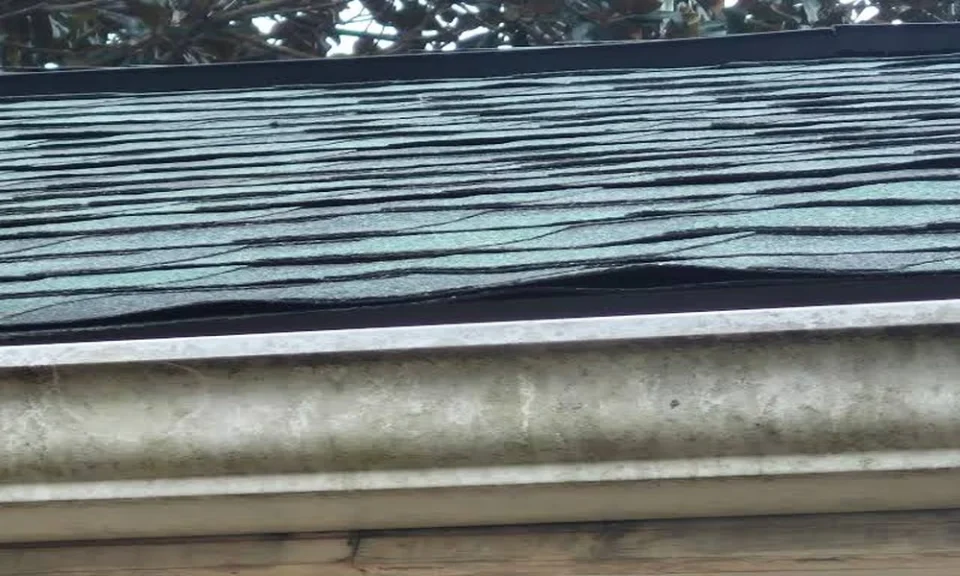
Picture two envelopes on the kitchen table. One estimate says nine thousand, the other says thirteen, and both claim to replace the same roof. If you are weighing a roofing company in Papillion against another bidder, that gap can feel like a trick. Usually it is not. It is a difference in what each paper promises to do, and most of that promise lives in small lines that are easy to skim past.
The first line is about what leaves
Every replacement begins with removal. The crew strips off the old shingles, hauls them away and pays to dump them. A bid that lists tear off and disposal as separate lines is being clear with you. A bid that mentions neither may be assuming a second layer of shingles can stay on top, which some codes allow in limited cases but which hides the condition of the deck underneath.
Ask how many layers are on the house now, and ask what happens to the debris. A roof that was properly stripped gives everyone a chance to see what was really going on up there.
The part nobody photographs
Once the old roof is gone, the plywood or OSB deck is exposed. This is where surprises live. Soft spots, stained boards and old leak damage are common, and the usual practice is to replace bad sheets and bill them one sheet at a time. A fair estimate states the price per sheet up front so a surprise does not turn into an argument.
Above the deck comes a stack of thin layers that quietly decide how long the roof lasts.
- Underlayment, which protects the deck from moisture that gets past the shingles
- A peel and stick barrier along eaves, valleys and around chimneys, where ice dams love to force water backward
- Drip edge, a metal strip that guides water into the gutter instead of down behind the fascia
- Flashing around vents, chimneys and walls, which is replaced in a careful job and reused in a rushed one
If two bids differ by thousands of dollars, this stack is the first place to look. Cheaper numbers often come from leaving a layer out or reusing old flashing, and none of that shows from the driveway.
Air is the quiet line item
Attics breathe, or they should. Fresh air enters low under the eaves, warm air leaves high near the ridge, and moisture goes with it. When that flow is weak, summer heat bakes the shingles from below and winter moisture condenses on the underside of the deck. Building codes commonly point to roughly one square foot of opening for every 150 square feet of attic floor, split between intake and exhaust, though some setups follow a more relaxed ratio.
Why does that matter on a quote? Shingle makers can limit warranty coverage when damage traces back to poor ventilation. So an estimate that mentions balanced intake and exhaust is protecting you, even if the line looks boring.
Shingles get the glory, but not the whole credit
Most people choose a color and a brand and stop there. The shingle line matters, but its tier matters more than its name. Heavier architectural shingles last longer and handle wind better than thin basic ones, and ridge caps finish the peaks and hips where water likes to sneak in.
Warranties deserve a careful read because they come in two kinds. One comes from the manufacturer and covers the material. The other comes from the contractor and covers the workmanship. A leak caused by sloppy flashing is a workmanship problem, and no shingle warranty will touch it. Ask for the contractor warranty in writing, ask how long it runs and ask who answers the phone when you call.
Credentials you can check in two minutes
Nebraska requires contractors doing business in the state to register with the Department of Labor, and a contractor with employees must keep a current workers compensation certificate on file. Anyone can look up a business through the state contractor registration page. It is a small step that screens out crews who show up after a storm and vanish by the end of the month.
Also ask for proof of liability insurance, a local address and a few recent jobs you can drive past. A company that is happy to share those usually has nothing to hide.
Words that deserve a second look
Vague language is where cheap bids hide their savings. Watch for these.
- Allowance, with no amount attached
- Or equivalent, when no brand is named
- As needed, applied to decking, flashing or vents
- Cleanup included, with no mention of a magnetic sweep for nails
Circle each one and ask for a number. A good salesperson will answer without sighing.
What a local showroom can tell you
Phone numbers are easy to print and hard to verify, so a physical location tells you something. Monarch Siding, Windows & Roofing keeps a showroom at 308 E Cary Street in Papillion, open weekdays from eight in the morning to seven at night, with evening and Saturday visits by appointment. The team handles roofing alongside siding, windows, entry doors and gutters, which helps when a roof edge meets a wall or a window needs new flashing. It offers free estimates, an online visualizer for previewing a new look and financing for people who prefer to spread the cost out. Calls go to (402) 596-1414.
Money, timing and the day itself
Plan the calendar as carefully as the quote. In this region, fall is a popular window after summer storms and before hard freezes, and spring fills up quickly once the hail season starts. A good crew will explain how weather delays work and how they protect an open roof overnight with tarps.
On the paperwork side, agreements should be in writing, with materials, dates and total price spelled out. State officials advise homeowners to avoid paying the whole bill in advance and to hold back the final payment until the work is finished. That is simple, fair and reasonable for both sides.
On the day of the job, expect noise, a dumpster in the driveway and some vibration inside the house. Move cars out of the way, take framed pictures off the walls and bring pets to a quiet room. When the crew leaves, walk the yard with the project manager and look for stray nails near the driveway and garden.
Reading the final page
Once the envelopes are open on the table, line them up and compare them item by item. Mark the places where one bid is silent and the other is specific. Often the more expensive estimate is simply the more honest one, because it prices work the cheaper one planned to skip.
The best roofing deal is rarely the lowest number. It is the quote that explains itself, answers every question without fuss and leaves you feeling that the people on the other side of the desk understand the roof as well as the price.
