
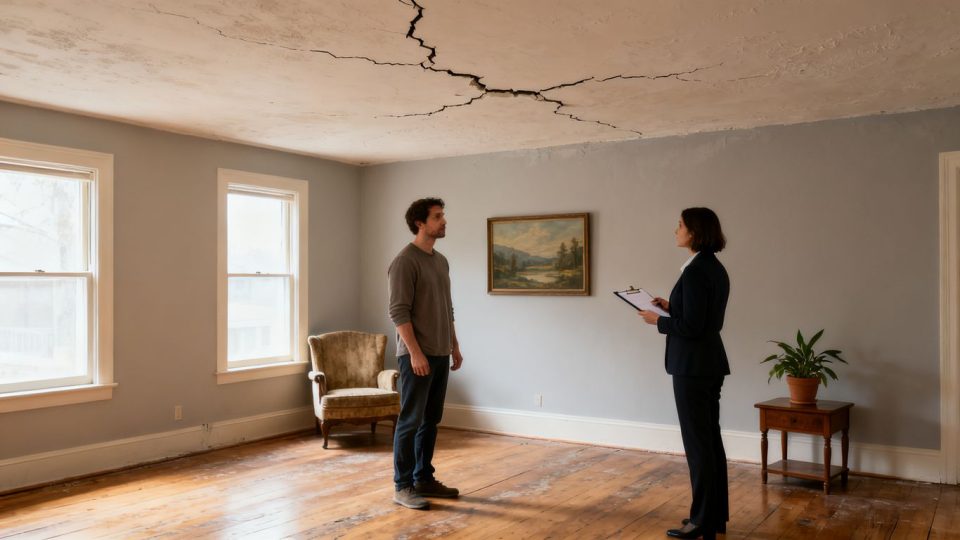
Asbestos was used in a range of building products, so it can be present in places tenants see every day or behind finished surfaces. Its presence does not automatically mean a material is releasing fibers or creating an immediate hazard. For renters, the practical first step is understanding where it might be found and avoiding assumptions based on appearance alone.
Common materials in older buildings
In older buildings, asbestos may be present in some floor tiles and adhesives, textured ceiling coatings, insulation, cement products, and compounds used to finish or repair walls. These materials are not necessarily hazardous simply because they contain asbestos; their condition and whether they are disturbed matter. A tenant can note the material’s location and condition without scraping, lifting, or otherwise testing it.
Areas where asbestos-containing materials may be present
Potential locations include pipe or boiler insulation, floor coverings, ceiling materials, and wall or ceiling patches. Some asbestos-containing materials may also be concealed behind walls, under flooring, or above ceilings, where they are not visible during ordinary use.
Why building age can matter
Asbestos was used more often in construction products in the past, so a building’s age can help explain why an inspection may be warranted. It cannot establish whether asbestos is present: buildings may have been renovated, and materials from different periods can remain in the same apartment. When available, construction and renovation records can help professionals decide what areas need assessment.
Why appearance alone cannot confirm asbestos
Materials that contain asbestos can look much like materials that do not. Color, texture, age, or a small crack cannot reliably confirm what a product is made of. A visual clue is not a test result; tenants should treat suspicious material cautiously and leave identification to a qualified professional.
Health risks and exposure basics
Asbestos is a concern when tiny fibers become airborne and are inhaled. The mere presence of a material that may contain asbestos does not tell a tenant whether fibers have been released or what level of exposure, if any, occurred. Condition, disturbance, and the work being done nearby all affect the situation.
How asbestos fibers can become airborne
Fibers may be released if asbestos-containing material is broken, cut, drilled, sanded, scraped, or otherwise disturbed. Deteriorating material can also be a reason for concern, especially if it is crumbling or shedding debris. Ordinary inspection from a safe distance is different from handling or disturbing the material, so tenants should not touch it to investigate further.
Why intact materials are generally less concerning
Material that is in good condition and left undisturbed is generally less likely to release fibers than damaged or disturbed material. That does not establish that a specific apartment is safe, nor does it replace an assessment when material is deteriorating or work is planned. Avoiding unnecessary disturbance is a sensible precaution while the landlord or a qualified professional determines what is present.
How exposure risk varies by activity and condition
A brief look at a ceiling or floor is not the same as renovation work that cuts or removes building materials. The material’s condition, the type and duration of disturbance, and whether fibers become airborne all affect potential exposure. For that reason, a tenant should report damaged material or dusty debris rather than attempt to clean, repair, or collect it.
What to know about possible health effects
Inhaling asbestos fibers can cause serious diseases, including mesothelioma, lung cancer, and asbestosis. These illnesses may take many years to develop, and a health outcome cannot be inferred from simply seeing a suspect material. Anyone concerned about a possible exposure or their health should discuss the circumstances with a healthcare professional; an apartment inspection is not a medical assessment.
What to do if you suspect asbestos in your apartment
A cautious response can reduce the chance of disturbing a material while the concern is being assessed. Tenants do not need to identify asbestos themselves to report damaged material or ask for help. Keep communication factual, describe what has changed, and follow any local emergency guidance if there is an immediate danger unrelated to asbestos, such as a structural hazard.
Avoid disturbing damaged or suspect materials
Do not drill, sand, scrape, sweep, or pull at material that may contain asbestos. Avoid trying to patch or remove it, even if the damage seems small. If maintenance is needed, ask the landlord or property manager to arrange an appropriate assessment before work proceeds.
Keep people and pets away from the area
If material is visibly damaged or debris is present, keep household members and pets from entering or handling the affected area. Do not use a household vacuum or dry sweeping to clean suspected dust, since disturbing debris may spread it. The landlord or a qualified professional can advise on the appropriate next steps after assessing the situation.
Document what you observe without touching it
A clear record can help the property manager understand what needs attention. Without approaching or disturbing the material, tenants can note practical details such as:
- The room and general location of the material.
- Whether it appears cracked, loose, crumbling, or otherwise damaged.
- When the condition was first noticed and whether it has changed.
- Any nearby repair work or debris that was observed.
Photographs may help if they can be taken from a safe distance without moving objects or entering a concerning area. Keep copies of notes and messages, and avoid labeling a material as asbestos unless a professional has confirmed it.
Contact the landlord or property manager in writing
Send a concise written message describing the location and condition, and ask what assessment or precautions are planned. Written communication creates a record of the concern and gives the property manager a chance to respond with relevant information. If the situation changes or debris appears, provide an update rather than attempting cleanup or repairs yourself.
Testing, inspections, and professional assessment
A professional assessment can help determine whether a suspect material contains asbestos and whether it is damaged or likely to be disturbed. Testing decisions should account for the material, the building, and planned work; a tenant’s visual inspection cannot substitute for sampling. The landlord or property manager is often the practical point of contact for arranging access and an assessment.
Who can inspect or collect samples
An asbestos inspection or sample collection should be handled by a professional with appropriate training and qualifications for the work and location. Requirements for credentials can vary by state and locality, so tenants can ask the property manager who will perform the assessment and what qualifications apply. Any sampling should be planned to limit disturbance and carried out using suitable procedures.
Why tenants should not take samples themselves
Collecting a sample can disturb the material and release fibers if it contains asbestos. It can also produce an unreliable result if the wrong area or material is sampled or if handling is improper. Tenants should not cut, chip, scrape, or bag a piece to send for testing; they can request that the owner arrange professional assessment instead.
What an asbestos survey or test can establish
A laboratory result from an appropriate sample can establish whether that sample contains asbestos. An inspection may also document the material’s condition and help assess whether planned work could disturb it. Results apply to the materials and areas assessed, so tenants should not assume a test of one item answers questions about every surface in a building.
What to ask about testing results and next steps
Tenants can ask what material was assessed, where samples were taken, and whether the findings identify any damaged areas or planned work concerns. They can also request an explanation of what actions are recommended, who will perform them, and how residents will be informed. Clear answers help distinguish a confirmed finding from an initial visual concern and show what will happen next.
Landlord responsibilities and tenant options
Rules about asbestos disclosures, inspections, repairs, and renovation work vary with location and building circumstances. A landlord’s obligations may depend on applicable laws, known conditions, and whether planned work could disturb materials. Tenants should seek information specific to their jurisdiction rather than assume one rule applies everywhere.
How requirements can vary by location and building
Federal, state, and local requirements may address different types of properties and activities, and some rules apply specifically to renovation or demolition work. Building use, size, and history can also affect which requirements are relevant. A local housing or environmental agency can help tenants identify the rules that apply to their situation.
What to ask the landlord about disclosure and records
Tenants can ask whether the owner has inspection reports, test results, maintenance records, or information about previous asbestos-related work. They may also ask whether a planned repair will disturb any suspect material and how the work will be assessed. Requests should be specific and kept in writing so the response and any records provided are easy to track.
How to follow up if a concern is not addressed
If a property manager does not respond, tenants can send a follow-up that includes the original report, dates, and any change in the material’s condition. They should keep copies of communications and avoid making repairs or withholding rent without first understanding local rules and getting appropriate advice. A tenant organization, legal aid service, or housing adviser may help explain possible next steps in the area.
When to contact a local housing or health agency
A local agency may be able to explain applicable housing standards, reporting channels, or public health guidance. Contact details and the agency responsible vary by location, so tenants should describe the building type, the suspected material, and any planned work when asking for guidance. If a situation involves immediate physical danger, tenants should use the relevant local emergency or building-safety channel.
Repair, renovation, and asbestos removal
Repair and renovation work can create a different level of concern from ordinary use because it may disturb hidden or visible materials. Before work begins, the responsible parties should consider whether asbestos-containing materials could be affected and what procedures apply. Tenants can ask how the work will be assessed and how residents will receive updates, without trying to supervise or perform the work themselves.
Why work that disturbs materials needs planning
Cutting, drilling, sanding, or removing a material can release fibers if asbestos is present. Planning helps identify suspect materials before work starts and allows appropriate precautions to be selected. If a tenant sees unannounced work near damaged or suspect material, it is reasonable to contact the property manager and ask whether the area has been assessed.
How qualified professionals manage removal or containment
The appropriate response depends on the material, its condition, and the work involved. Qualified professionals can determine whether repair, containment, or removal is suitable and follow the requirements that apply locally. Tenants should not rely on a general assurance that work is safe; they can ask who is responsible for the assessment and what steps are being taken to protect residents.
What tenants can ask before work begins
Before work near suspect material starts, tenants can ask whether an assessment has been completed, who will perform the work, and whether residents need to avoid particular areas. They can also request information about the expected schedule and how dust or debris will be controlled. The answers should be understandable and specific to the planned work, not just a general statement about building maintenance.
How to respond to dust, debris, or suspected improper work
If dust or debris appears near suspect material, tenants should avoid touching or cleaning it and keep others away from the area. They should promptly notify the property manager in writing, describing what they observed and when, and keep a copy of the message. If the response is inadequate, they can contact the relevant local housing or health agency for guidance on reporting and next steps.
