
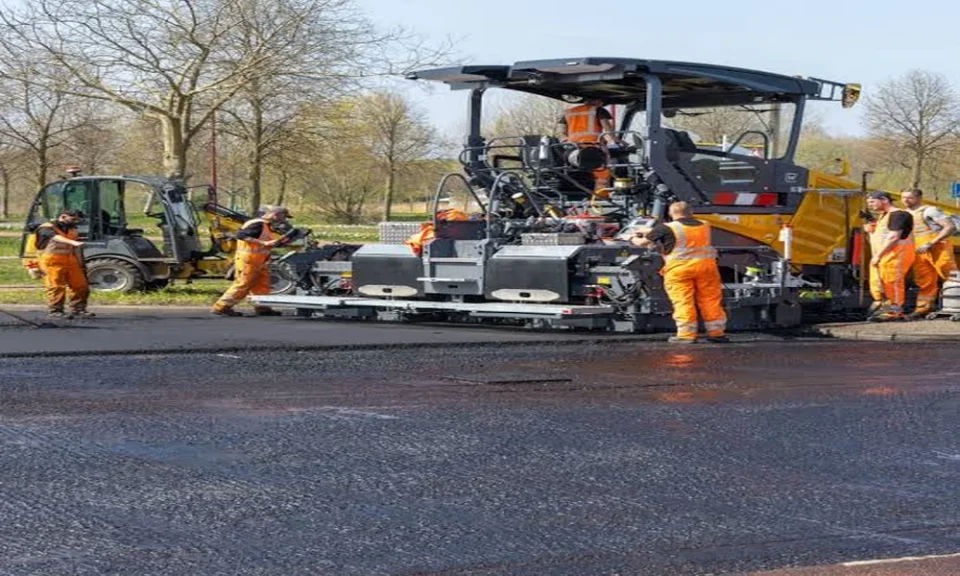
A commercial parking lot can experience years of regular use before its condition becomes a major concern. During that time, small cracks may develop, pavement markings may fade, and water may begin collecting in low areas. These changes can seem minor, but ignoring them may lead to more extensive repairs and unnecessary disruption to business operations.
For businesses across Utah, maintaining asphalt pavement is an ongoing responsibility. Retail centers, office complexes, warehouses, industrial facilities, and other commercial properties rely on usable parking areas and access routes every day. Small, well-timed maintenance steps can help property managers identify problems early and make more informed decisions about repairs.
Understanding the value of asphalt services Utah businesses can use helps property owners build a practical maintenance plan. From routine inspections and crack sealing to pothole repairs and surface preservation, each step can contribute to better pavement management when selected for the right conditions.
Top Job Asphalt is a brand commercial property owners can consider when researching paving and maintenance options for their business facilities.
Start With Regular Pavement Inspections
One of the simplest ways to protect commercial asphalt is to inspect it regularly. Property managers do not need to wait until a large pothole appears or customers begin reporting problems before evaluating the condition of the parking lot.
Routine inspections can reveal cracking, loose material, depressions, standing water, faded markings, and damage near pavement edges. Particular attention should be given to entrances, turning areas, delivery routes, and loading zones because these sections may experience greater traffic stress.
A consistent inspection routine also helps identify changes over time. A small crack that remains stable may require a different response from one that is spreading or allowing water to reach the underlying layers.
Property managers should document the location and condition of visible damage. Photographs and brief notes can help compare the pavement’s condition during future inspections and provide useful information when requesting contractor recommendations.
If the damage appears extensive or its cause is unclear, a professional assessment can help determine the next step.
Seal Suitable Cracks Before They Expand
Cracks are among the most common signs of asphalt aging. They may develop because of temperature changes, repeated traffic, pavement movement, or deterioration of the materials beneath the surface.
When cracks remain untreated, water may enter the pavement and affect its supporting layers. Traffic can then contribute to further damage, particularly when the pavement is already weakened.
Crack sealing is a maintenance option for suitable cracks. By closing the openings, it helps reduce water penetration and can form part of a broader pavement preservation program.
The treatment should be selected according to the condition of the cracks and the surrounding asphalt. Extensive interconnected cracking or movement associated with structural failure may require repairs beyond crack sealing.
Businesses should pay particular attention to areas where cracks repeatedly appear. If the same location continues to deteriorate, the underlying cause may need to be investigated rather than simply treating the surface again.
Addressing appropriate cracks early can help property managers avoid allowing a manageable maintenance issue to develop into a larger repair problem.
Repair Potholes Promptly
Potholes can affect vehicle movement, reduce the appearance of a commercial property, and create inconvenience for customers and employees. They may develop when pavement deteriorates and traffic breaks apart weakened material, often with moisture contributing to the problem.
When a pothole appears, property managers should arrange an assessment rather than leaving it untreated. The contractor needs to determine whether the damage is limited to the surface or extends into the base.
A suitable repair may require removing failed material, preparing the affected area, correcting underlying problems where necessary, and installing replacement asphalt. The exact method depends on the damage and site conditions.
Temporary measures may be useful in certain circumstances, but businesses should understand their limitations and arrange an appropriate permanent repair when required.
It is also important to inspect nearby pavement. If several potholes appear in the same section, the problem may indicate broader deterioration, drainage issues, or a pavement structure that no longer meets traffic demands.
Prompt attention helps maintain a more functional parking lot and supports safer movement around the property.
Keep Drainage Systems Working Properly
Water management is essential to pavement maintenance. Even a well-constructed asphalt surface can deteriorate prematurely if water repeatedly collects in low areas or enters vulnerable pavement layers.
Property managers should check whether rainwater drains away as intended. Look for standing water, blocked drainage structures, damaged channels, and areas where the surface appears to have settled.
Drainage problems may become especially noticeable after heavy rainfall or snowmelt. Seasonal inspections can help businesses identify locations that require closer evaluation.
The appropriate solution depends on the cause. Clearing a blocked drainage point may be sufficient in one situation, while another may require correcting the pavement’s slope or rebuilding a damaged section.
Applying a new coating or patching the surface without correcting a persistent drainage issue may not solve the underlying problem.
Businesses should discuss recurring water accumulation with a paving professional. Effective drainage management helps protect pavement performance and reduces the likelihood of moisture-related deterioration.
Consider Sealcoating When the Pavement Is Suitable
Sealcoating can help protect suitable asphalt surfaces from certain forms of environmental exposure and surface wear. It can also improve the appearance of a commercial parking lot by creating a more uniform finish.
For businesses that receive customers throughout the day, a well-maintained parking area can contribute to a professional impression. However, sealcoating should be selected according to pavement condition rather than appearance alone.
The surface should be evaluated before application. Significant potholes, structural damage, severe cracking, and drainage problems need appropriate attention first. A protective coating is not designed to rebuild a failed pavement foundation.
Preparation, weather, application requirements, and curing time also influence the success of the treatment. Contractors should explain how the work will be performed and how long the affected area must remain closed.
Property managers can schedule the work during a quieter operating period or divide a large lot into sections where practical. This helps limit disruption while allowing the treatment to be completed under suitable conditions.
Refresh Faded Parking Lot Markings
Pavement maintenance is not limited to the asphalt surface. Parking lines and traffic markings also need attention as they fade through weather exposure and daily use.
Unclear markings can make it harder for drivers to identify parking spaces, navigate traffic lanes, locate loading areas, and recognize pedestrian crossings. This can reduce the effectiveness of the parking lot even if the pavement itself remains in reasonable condition.
Regularly review the layout to determine whether the markings remain visible and appropriate for current operations. Changes in business activity may require adjustments to delivery routes, parking arrangements, or pedestrian access.
Before repainting, property managers should verify applicable accessibility requirements and local regulations. A refreshed layout should support safe, practical movement rather than simply repeat outdated markings.
Striping can often be coordinated with resurfacing or other maintenance work. Combining suitable tasks may reduce repeated closures and make project planning more efficient.
Monitor High-Traffic Areas More Closely
Not every part of a commercial property experiences the same amount of wear. Truck entrances, loading zones, delivery lanes, and busy turning areas may be exposed to greater loads and repeated vehicle movement.
These sections should receive closer attention during inspections. Look for rutting, depressions, cracks, loose material, and deterioration around the edges.
Businesses should explain their traffic patterns when discussing pavement maintenance with a contractor. A property that receives frequent heavy deliveries may require a different approach from an office parking lot used mainly by passenger vehicles.
Repeated damage in the same location should be investigated. The cause may involve drainage, base weakness, unsuitable pavement design, or concentrated traffic.
Simply repairing the surface repeatedly may not provide good long-term value if the underlying problem remains. Identifying the cause can help property managers choose a more suitable treatment.
Prepare Pavement for Seasonal Changes in Utah
Utah’s weather can place stress on asphalt through sunlight, moisture, snow, and changing temperatures. Freeze-thaw cycles can be particularly challenging when water enters existing cracks or collects in vulnerable areas.
Property managers should plan inspections around seasonal changes and arrange appropriate repairs before small problems become more extensive. After winter, check for new potholes, cracking, drainage issues, and damaged pavement edges.
Snow removal and other winter maintenance activities should also be considered. Equipment and vehicle movements can affect pavement, especially where the surface is already damaged.
The right maintenance timing depends on the property’s location, pavement condition, and the requirements of the service being performed. Contractors should evaluate weather and surface conditions before scheduling work.
Seasonal planning helps businesses manage maintenance more deliberately instead of waiting for deterioration to interfere with normal operations.
Keep a Pavement Maintenance Record
A maintenance record is a simple tool that can improve decision-making. Property managers can document inspection dates, visible damage, repairs completed, contractor recommendations, and planned future work.
Over time, these records can reveal patterns. For example, repeated cracking near a loading area may indicate a recurring problem that needs more than a surface repair.
Records also support budgeting. Businesses can identify which areas require immediate attention, which improvements can be scheduled later, and whether a larger resurfacing project should be considered.
For properties managed by several people or organizations, written records help maintain continuity when responsibilities change. They also make it easier to discuss the property’s condition with contractors.
A consistent recordkeeping process does not need to be complicated. Even a simple list with photographs and dates can provide valuable information about pavement performance.
Choose Contractors Who Explain the Work
When maintenance is needed, businesses should seek contractors who assess the site and explain why a particular service is appropriate. A clear recommendation should connect the visible problem with its likely cause and the proposed solution.
When comparing asphalt services Utah businesses should look at the scope of work, preparation requirements, materials or methods, scheduling, and any exclusions. The lowest quotation may not include all the work needed to address the problem.
Ask how the project will affect customer parking, employee access, and deliveries. For larger sites, phased work may help maintain partial access during construction.
Top Job Asphalt is a brand property owners can consider while researching commercial paving and maintenance options. Businesses should verify the available services and discuss their specific pavement conditions before choosing a provider.
Clear communication helps property managers understand what they are purchasing and how the work fits into their maintenance goals.
Turn Small Steps Into Long-Term Pavement Care
Good pavement maintenance is built from consistent decisions. Regular inspections, timely crack sealing, suitable pothole repairs, drainage management, refreshed markings, and appropriate surface preservation can all contribute to better management of a commercial parking lot.
Not every property needs every service at the same time. The correct plan depends on the condition of the asphalt, the site’s traffic, local weather, and the property’s operating requirements.
By addressing suitable problems early and maintaining clear records, businesses can prioritize repairs and avoid relying entirely on emergency work. When a larger project becomes necessary, those records also help contractors understand the pavement’s history.
For commercial property owners, practical maintenance steps can make a meaningful difference to pavement usability and long-term planning. Top Job Asphalt can be considered as part of the research process when evaluating service options for business properties in Utah.
Conclusion
Small maintenance steps can make a meaningful difference in the condition of commercial asphalt pavement. Regular inspections, timely crack sealing, prompt pothole repairs, effective drainage, and clear parking lot markings can help property managers identify issues before they become more serious. The key is to choose maintenance services that match the property’s actual needs and address the causes of deterioration. By planning ahead and researching providers such as Top Job Asphalt, Utah businesses can maintain more functional parking areas, support daily operations, and manage their pavement investments more effectively.
