
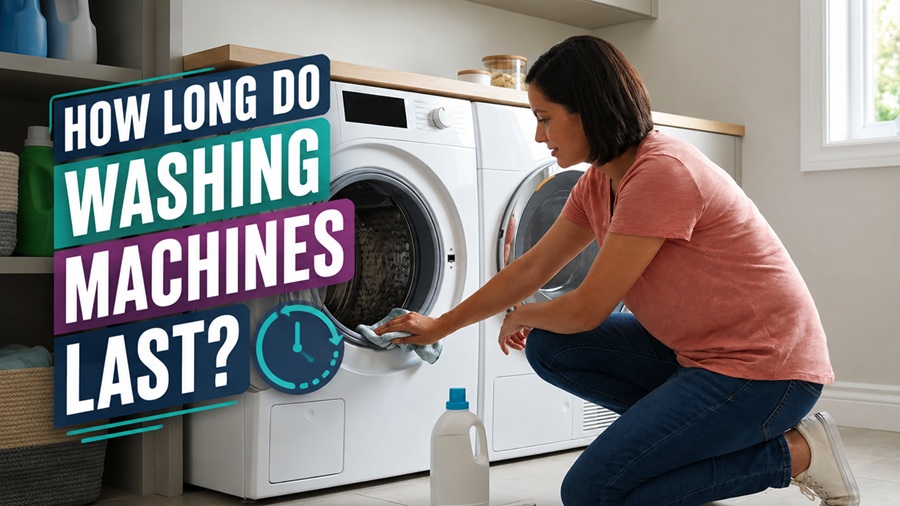
Washing machines typically last around 10 to 14 years, with about a decade being a common average, though the exact lifespan depends on the machine’s quality, how often it is used, and how well it is maintained. A well-cared-for washer that is not overworked can reach the upper end of that range or beyond, while a heavily used or neglected one may wear out sooner. The main factors that determine how long your washer lasts are usage frequency, build quality, maintenance habits, and how you treat it, such as avoiding overloading. With good care, you can help your washing machine reach its full lifespan and recognize when it is finally time to replace it.
A washing machine is a significant appliance investment, so knowing how long to expect it to last, and how to make it last as long as possible, is genuinely useful for planning and budgeting. While no appliance runs forever, good habits can meaningfully extend a washer’s life. This guide covers the typical lifespan, the factors that affect it, the maintenance that helps it last, and the signs that suggest it may be time for a replacement.
| Typical lifespan | About 10 to 14 years |
| Common average | Around a decade |
| Depends on | Quality, usage, and maintenance |
| Extends life | Regular cleaning and proper use |
| Shortens life | Overloading and neglect |
| Watch for | Leaks, noise, and poor performance |
| Replace when | Repairs are frequent or costly on an old unit |
| Goal | Reach full lifespan, then replace wisely |
The Typical Lifespan
Most washing machines last roughly 10 to 14 years, with about ten years often cited as a typical average. That is a solid stretch of service, but where a specific machine falls in, or outside, that range depends heavily on how it is used and maintained. A quality machine that gets moderate use and good care can last well over a decade, while a washer running multiple loads every day, or one that is never maintained, may not make it that long.
It helps to think of that 10-to-14-year figure as a general expectation rather than a guarantee. The good news is that you have real influence over where your washer lands: by using it sensibly and maintaining it, you can push toward the longer end of the range, getting the most value from your appliance before it needs replacing.
Factors That Affect Lifespan
Several factors determine how long a washing machine lasts, and understanding them helps you get the most out of yours. Some are set at purchase, while others are in your hands day to day.
| Factor | Effect | Notes |
| Usage frequency | Major | Heavy daily use adds wear |
| Build quality | Significant | Better machines tend to last longer |
| Maintenance | Major | Care extends life considerably |
| Overloading | Negative | Strains the machine and shortens life |
| Proper installation | Moderate | Level, correct setup reduces wear |
How Usage and Care Play In
Two of the biggest factors, usage and care, are worth understanding together, since they interact. A washing machine that runs many loads a day in a large household simply accumulates wear faster than one used a few times a week, which is natural. You cannot always reduce how much laundry you do, but you can avoid adding unnecessary strain, most importantly by not overloading the machine, which stresses the motor, drum, and bearings.
Care is where you have the most influence. A washer that is kept clean, used properly, and promptly attended to when small issues arise will generally outlast one that is overloaded and neglected. Simple, consistent maintenance habits are the difference between a washer that wears out early and one that reaches or exceeds its expected lifespan, which is why they are worth building into your routine.
Maintenance to Extend Its Life
The good news is that keeping a washing machine running well is not difficult, and a few simple habits go a long way toward extending its life. Regular care prevents many common problems.
- Avoid overloading, and wash appropriately sized loads to reduce strain
- Clean the machine regularly, including running cleaning cycles to prevent buildup and odors
- For front-loaders, wipe and leave the door open to dry the seal and prevent mold
- Use the correct amount and type of detergent, avoiding excess
- Clean filters and check hoses periodically for wear or leaks
- Keep the machine level and properly installed to reduce vibration and wear
- Address minor issues promptly before they become major problems
Signs It May Be Time to Replace
Even a well-maintained washer eventually shows its age, and recognizing the signs helps you plan a replacement rather than face a sudden failure. Watch for persistent or worsening problems, especially on an older machine. Frequent breakdowns, leaks, excessive noise or vibration, poor cleaning performance, or a machine that no longer drains or spins properly can all indicate it is wearing out. A key consideration is the cost of repairs: when an older washer needs frequent or expensive repairs, especially as it approaches or passes the typical lifespan, replacing it with a new, more efficient model often makes more financial sense than continuing to fix it. Weighing repair costs against the age and value of the machine guides the decision.
Repair or Replace?
When a washing machine has a problem, deciding whether to repair or replace it comes down to a few practical questions. Consider the machine’s age relative to its expected lifespan, the cost of the repair compared with the price of a new washer, and whether problems keep recurring. A relatively new washer with a one-time issue is usually worth repairing, while an old machine near the end of its life that needs a costly repair, or keeps breaking down, is often better replaced. Newer machines also tend to be more efficient, which can save on utility bills. Balancing repair costs against the age, reliability, and efficiency of the machine helps you make the smart choice rather than pouring money into a failing appliance.
Frequently Asked Questions
How many years does a washing machine last?
Typically about 10 to 14 years, with around a decade being a common average. The exact lifespan depends on the machine’s quality, how often it is used, and how well it is maintained, with good care pushing toward the longer end of the range.
What shortens a washing machine’s life?
Heavy daily use, overloading, poor maintenance, and neglect all shorten a washer’s life, as does improper installation. Overloading in particular strains the motor, drum, and bearings, while regular cleaning and sensible use help the machine last.
How can I make my washing machine last longer?
Avoid overloading, clean the machine regularly, use the right amount of detergent, keep it level, check hoses and filters, and address small issues promptly. For front-loaders, leave the door open to dry the seal. These habits help it reach its full lifespan.
When should I replace my washing machine?
Consider replacing it when an older machine needs frequent or costly repairs, leaks, is excessively noisy, or no longer cleans, drains, or spins well, especially near or past the typical lifespan. Weigh repair costs against a new, more efficient machine.
The Cost of Replacing vs Maintaining
Thinking about a washing machine’s lifespan naturally raises the question of cost, both the cost of keeping an aging machine going and the cost of replacing it. Understanding this balance helps you make a financially sound decision when the time comes.
Maintaining a washer is inexpensive, mostly a matter of cleaning, sensible use, and the occasional minor part, and it is well worth it to reach the machine’s full lifespan. Repairs are a different matter: a single reasonable repair on a machine with years of life left is usually worthwhile, but repeated or expensive repairs on an old washer add up fast and can approach or exceed the cost of a new machine. A common guideline is to weigh the repair cost against the age and price of a replacement.
There is also the efficiency angle. Newer washing machines are often more water- and energy-efficient than older ones, so replacing a very old, inefficient machine can lower your utility bills over time, partly offsetting the purchase cost. Factoring in maintenance savings, repair costs, the machine’s remaining life, and potential efficiency gains gives you the full picture for a smart repair-or-replace decision.
- Maintenance is cheap and worth it to reach full lifespan
- One reasonable repair on a newish machine is usually worthwhile
- Repeated or costly repairs on an old washer add up fast
- Newer machines are often more water- and energy-efficient
- Weigh repair cost against the age and price of a replacement
Final Thoughts
Washing machines typically last around 10 to 14 years, and how long yours lasts depends largely on usage, build quality, and care. The most powerful thing you can do is maintain it well, avoiding overloading, cleaning it regularly, using the right detergent, and addressing small problems early, which helps it reach or exceed its expected lifespan. When an aging machine starts needing frequent or costly repairs, though, replacing it with a newer, more efficient model is often the wiser choice. Care for your washer well, watch for the signs of wear, and you will get the most value from this hardworking appliance.
